What you need to know
- 💳 Rise of Digital Payments: Digital payment systems, facilitated by smartphones and platforms like PayPal and Apple Pay, offer unprecedented convenience for consumers and businesses, enhancing transaction efficiency and security.
- 🔍 Privacy Concerns: A cashless society raises significant privacy issues, with the potential for extensive data collection and surveillance by corporations and governments, threatening personal privacy.
- 🚫 Exclusion of Vulnerable Populations: The shift to cashless systems might marginalize groups like the elderly and low-income families who rely on cash, highlighting the need for inclusive solutions.
- ⚖️ Balancing Convenience and Freedom: While digital payments offer convenience, they challenge the anonymity and autonomy provided by cash, raising questions about freedom and control in a cashless city.
In recent years, the concept of moving towards a cashless society has gained significant traction, with some proposing the bold idea of cashless-only cities. Proponents argue that such a shift could enhance convenience and security, while critics raise alarms about the implications on privacy and autonomy. The debate over cashless-only environments is not just about technological advancement; it touches on deeper issues of control and freedom. As cities around the world experiment with digital payments and reduce reliance on physical currency, the controversy continues to grow. What are the driving forces behind this movement, and what could a future without cash really mean?
The Rise of Digital Payments
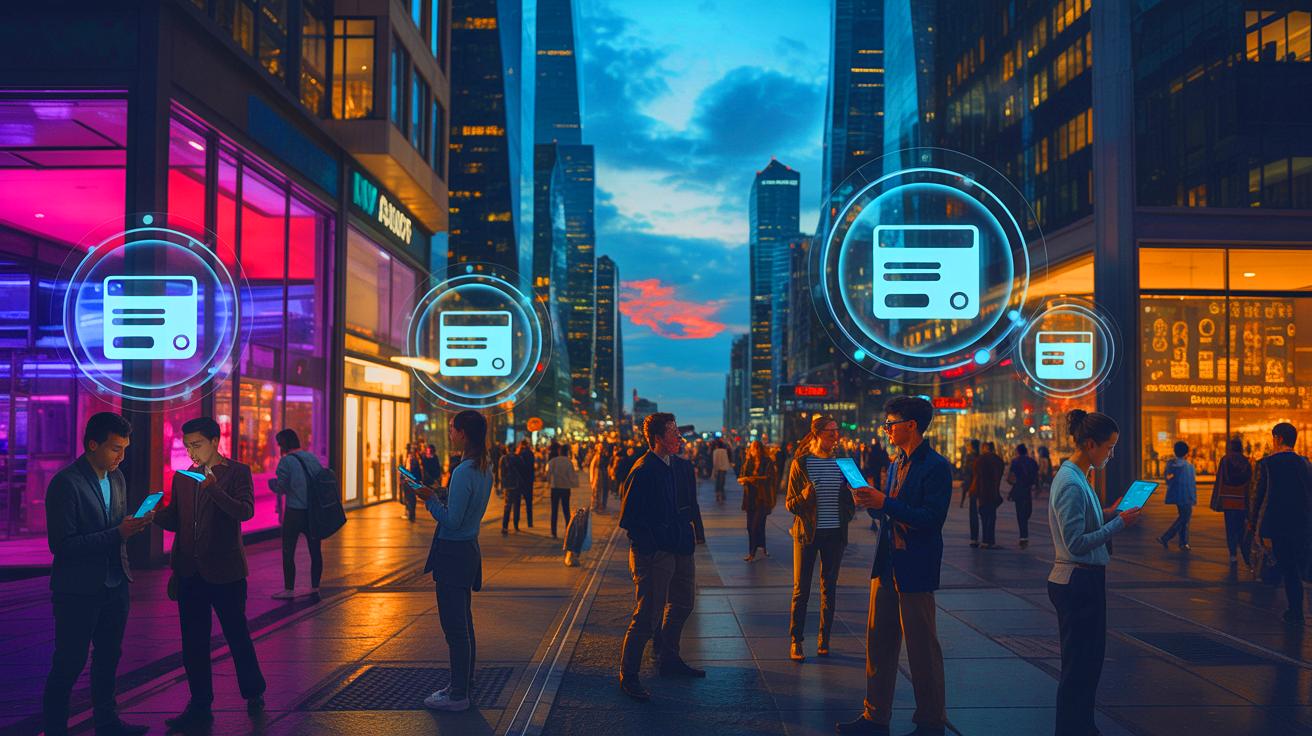
The rise of digital payments has been nothing short of revolutionary. With the advent of smartphones and the internet, paying for goods and services has become more streamlined than ever. Companies such as PayPal, Apple Pay, and Google Wallet have made it easier for consumers to go about their daily transactions without ever needing to touch paper money. Convenience is often cited as a major factor driving this shift. Consumers can make purchases with a simple tap or swipe, eliminating the need for cash handling and reducing the risk of theft or loss.
Moreover, digital payments offer businesses a more efficient way to track and manage transactions. With every purchase recorded instantly, companies can keep better tabs on their sales and inventory. Governments, too, find digital payments appealing as they promise greater transparency and reduce tax evasion. However, as cities begin to entertain the idea of going entirely cashless, questions about the implications on society, especially for those who rely on cash, begin to surface.
Privacy Concerns in a Cashless Society
One of the most significant concerns surrounding cashless-only cities is the issue of privacy. In a world where every transaction is digital, the potential for data collection is immense. Financial institutions and payment platforms could, in theory, track an individual’s buying habits, preferences, and even their location. This level of surveillance raises alarms about the erosion of personal privacy.
While proponents argue that data collection can lead to personalized services and better security, critics warn of the potential for misuse. With data breaches becoming alarmingly common, individuals are rightfully concerned about their information falling into the wrong hands. Furthermore, the idea that every purchase could be monitored by corporations or governments touches on broader fears of a surveillance society. As the debate rages on, it becomes clear that any move towards a cashless future must address these privacy concerns head-on.
Exclusion of Vulnerable Populations
Another critical issue in the cashless-only city debate is the potential exclusion of vulnerable populations. Many individuals still rely heavily on cash, including the elderly, low-income families, and those without access to banking services. For these groups, a sudden shift to digital payments could create significant barriers.
Without the necessary infrastructure or technological literacy, these individuals risk being left behind in a cashless city. They may struggle to access basic goods and services, exacerbating existing inequalities. To address this, advocates for cashless societies must consider inclusive solutions that ensure no one is marginalized. This might include offering digital literacy programs, ensuring affordable access to technology, and maintaining some level of cash-based transactions for those who need it. The challenge lies in balancing technological advancement with social responsibility.
Balancing Convenience with Freedom
The push for cashless-only cities highlights a fundamental tension between convenience and freedom. The convenience of digital payments is undeniable; they offer speed, security, and ease of use. However, the idea of moving entirely away from cash raises questions about freedom and control. In a cashless city, individuals may feel pressured to conform to digital payment systems, potentially surrendering a degree of autonomy in the process.
Cash provides a level of anonymity and freedom that digital payments currently do not. The ability to make transactions without leaving a digital footprint is a form of personal autonomy valued by many. As cities explore the transition to cashless systems, they must consider how to preserve individual freedoms while embracing new technologies. Can a balance be struck, or will the quest for convenience inevitably lead to a loss of personal autonomy?
As the concept of cashless-only cities continues to gain attention, the debate surrounding it becomes more complex. While the potential benefits of a cashless society are clear, the risks and challenges cannot be ignored. Privacy concerns, exclusion of vulnerable populations, and the balance between convenience and freedom are all critical issues that must be addressed. As we stand on the brink of a new financial era, the question remains: How can society embrace the advantages of a cashless world while safeguarding the rights and freedoms of its citizens?
Did you like it?4.5/5 (28)