What you need to know
- 🐝 Insects are crucial for pollination, decomposition, and as a food source, forming the backbone of many ecosystems.
- 🏞️ Human activities like habitat destruction and pesticide use are major contributors to the decline in insect populations.
- 🌍 The potential extinction of insects could disrupt pollination, reduce crop yields, and impact biodiversity, threatening global food security.
- 🌱 Conservation strategies include sustainable agriculture, habitat protection, public awareness, and policy changes to safeguard insect populations.
- 🔍 The article highlights the urgent need to balance human development with the preservation of insects to ensure a sustainable future.
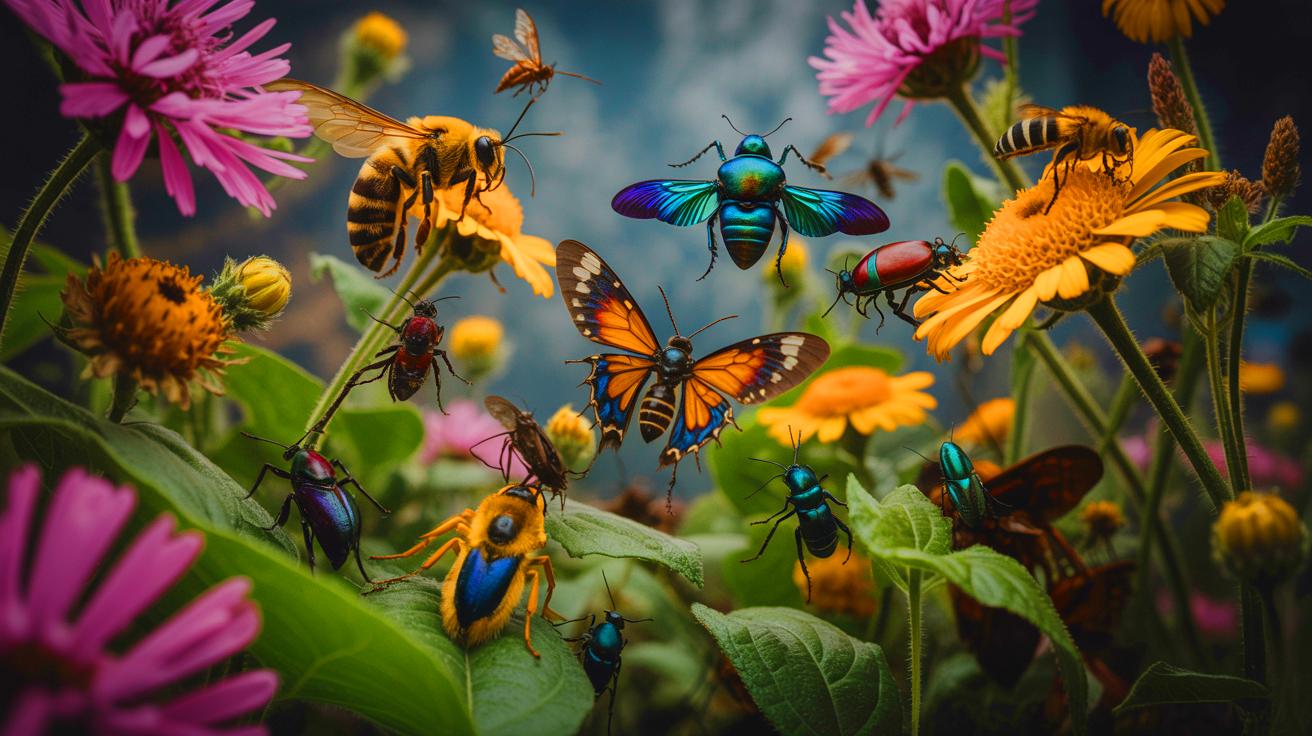
The world of insects, often overlooked, is teetering on the brink of a crisis. A recent study has raised alarm bells, warning that these tiny yet crucial creatures may face extinction within a decade if current trends persist. Insects, forming the backbone of many ecosystems, play vital roles in pollination, decomposition, and as food for other animals. Their potential disappearance poses threats not only to biodiversity but also to global food security. This article delves into the importance of insects in food chains, the reasons behind their decline, the potential consequences of their loss, and what actions are needed to avert this looming disaster.
The Role of Insects in Ecosystems
Insects are indispensable components of numerous ecosystems. These small creatures, including bees, butterflies, beetles, and ants, are at the heart of many ecological processes. Pollination is one of their most vital functions, essential for the reproduction of many plants and crops that humans rely on for food. Insects also contribute to the natural process of decomposition, breaking down organic matter and returning nutrients to the soil. Additionally, insects serve as a primary food source for a range of animals, from birds to mammals, thus supporting entire food webs. Their complex interactions with other species illustrate their ecological importance and highlight the severe repercussions their absence might trigger.
Causes of Insect Decline
The decline in insect populations can be attributed to several human-induced factors. Habitat destruction tops the list, as urbanization and agriculture expansion encroach on natural habitats. The use of pesticides and chemicals in farming further exacerbates the situation, killing not only targeted pests but also non-target insect species. Climate change also plays a significant role, altering habitats and climates in ways that many insect species cannot adapt to quickly enough. Additionally, pollution from various sources, including light pollution, disrupts insect life cycles and behaviors. These factors combined create a hostile environment for insects, accelerating their decline at an alarming rate.
Consequences of Insect Extinction
The potential extinction of insects would have profound effects on ecosystems and human life. A decline in insect populations would disrupt pollination processes, leading to reduced crop yields and threatening global food security. Plants that rely on insect pollination could face extinction themselves, further diminishing biodiversity. The loss of insects as a food source would impact animals higher up the food chain, leading to a ripple effect across ecosystems. Furthermore, without insects to decompose organic materials, nutrient cycles would be disrupted, impacting soil fertility. Such cascading effects highlight the interconnectedness of ecosystems and the critical role insects play in maintaining environmental balance.
Strategies for Insect Conservation
Addressing the decline of insect populations requires a multifaceted approach. Promoting sustainable agricultural practices is crucial, including reducing pesticide use and adopting organic farming techniques. Protecting and restoring natural habitats can provide safe havens for insect populations to thrive. Raising public awareness about the importance of insects and the threats they face is also vital, encouraging individuals and communities to take action. Policies at governmental and international levels need to prioritize conservation efforts and enforce regulations that protect insect habitats. By implementing these strategies, we can work towards preserving insect populations and the critical roles they play in our ecosystems.
The potential disappearance of insects within a decade is a sobering prospect that underscores the urgency of conservation efforts. As we navigate this ecological crisis, the question remains: How can we effectively balance human development with the preservation of these essential creatures, ensuring a sustainable future for both insects and humanity?
Did you like it?4.5/5 (26)
Wow, je ne savais pas que les insectes étaient si importants pour notre nourriture. Merci pour cet article éclairant !
C’est vraiment flippant ! Qu’est-ce qu’on peut faire au quotidien pour aider à sauver les insectes ? 🐞
Si les insectes disparaissent, est-ce que cela signifie que les araignées aussi ? Parce que je ne vais pas les regretter ! 😅
Je suis curieux, combien d’espèces d’insectes sommes-nous en train de perdre chaque année ?
Merci pour cet article. C’est une piqûre de rappel sur l’importance de protéger notre environnement.
Les agriculteurs font-ils assez pour réduire l’utilisation des pesticides ? Il semble que ça soit une grande partie du problème.
Incroyable et terrifiant à la fois. Est-ce que les gouvernements prennent cela au sérieux et agissent ?
Quelqu’un a une idée d’une bonne alternative naturelle aux pesticides ? J’aimerais aider les insectes dans mon jardin.
Je ne savais pas que les insectes jouaient un rôle si crucial dans le cycle des nutriments. Fascinant !
Est-ce que les changements climatiques affectent aussi la population des insectes nocturnes ? 🌜