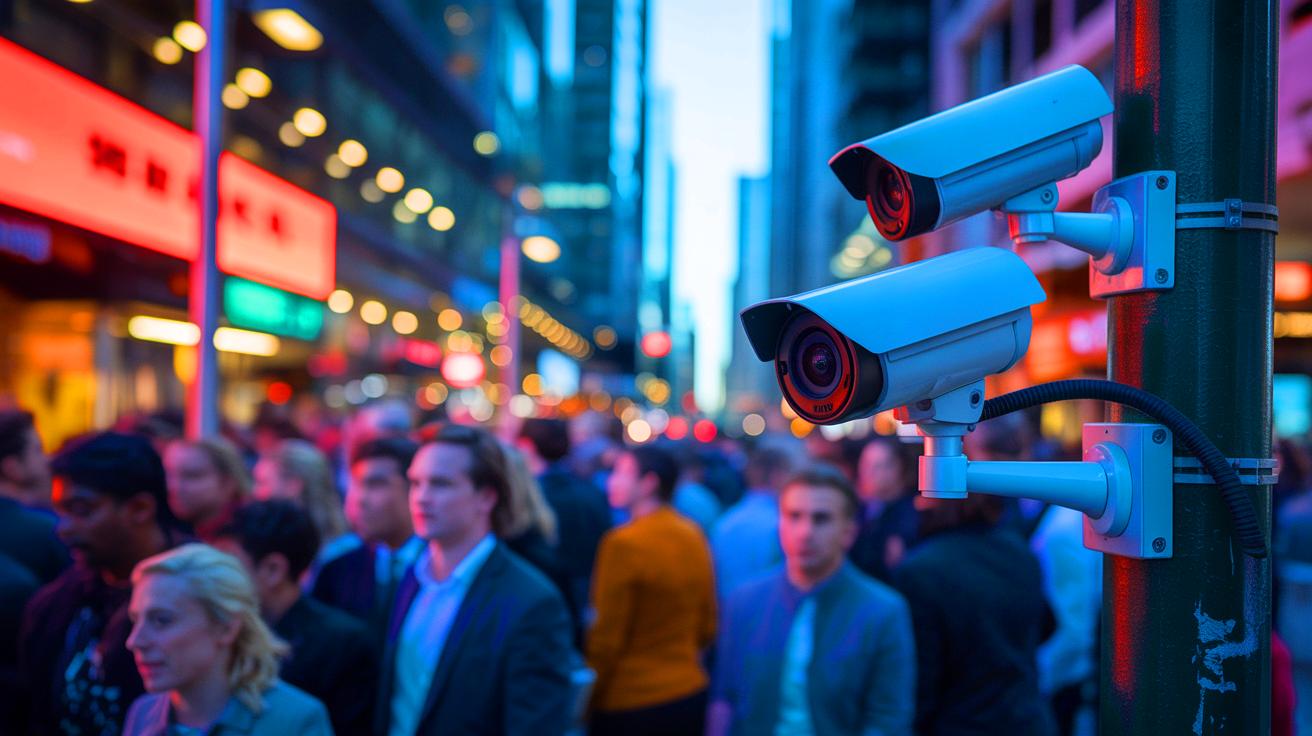
What you need to know
- 📈 Increasing Prevalence: Smart cameras are becoming more common in urban areas, used to enhance security with features like facial recognition and motion detection.
- 🔒 Privacy Concerns: Critics argue that these cameras invade privacy and create a society under constant surveillance, challenging the concept of anonymity in public spaces.
- ⚖️ Ethical Implications: The ethical debate centers on the balance between utilizing technology for security and safeguarding individual rights and freedoms.
- 🚫 Public Resistance: Many citizens oppose the widespread use of smart cameras, leading to protests and creative acts of defiance against surveillance initiatives.
- 🔍 Future Solutions: The article suggests the need for robust data protection laws, transparency, and public engagement to ensure technology serves public good without compromising privacy.
As urban landscapes evolve, the integration of technology into everyday life becomes inevitable. Among these innovations, the use of smart cameras in public spaces has sparked a heated debate. While these devices promise enhanced security and convenience, they also raise significant concerns about privacy and surveillance. Many fear that the widespread installation of such technology signifies a shift towards a society where every movement is scrutinized and recorded. This article delves into the mounting backlash over smart cameras, exploring the implications of their presence in public areas, the arguments for and against their use, and the broader societal impacts.
The Rise of Smart Cameras in Urban Areas
Smart cameras have become increasingly prevalent in urban environments, driven by advancements in technology and a growing emphasis on security. These devices are equipped with features such as facial recognition, motion detection, and the ability to connect to centralized databases. Proponents argue that smart cameras enhance public safety by deterring crime and aiding law enforcement in investigations. In cities around the world, these cameras are being installed in locations ranging from public parks and transit systems to shopping centers and residential neighborhoods.
However, the rapid deployment of smart cameras has not been without controversy. Privacy advocates express concern over the potential for abuse and the erosion of civil liberties. The ability of these cameras to track individuals’ movements and record personal data has led to calls for stricter regulations and transparency in their use. As city officials continue to expand surveillance networks, the debate intensifies, raising questions about the balance between security and privacy.
Privacy Concerns and Ethical Implications
The primary concern surrounding smart cameras is the invasion of privacy. Critics argue that constant surveillance creates a society where individuals are perpetually watched, leading to a chilling effect on personal freedoms. The ethical implications of such ubiquitous monitoring are profound, as it challenges the notion of anonymity in public spaces. Moreover, the collection and storage of personal data by government and private entities raise questions about consent and data protection.
In some cases, the implementation of smart cameras has been met with legal challenges. Privacy groups have filed lawsuits, demanding greater accountability and oversight. These actions highlight the tension between technological advancements and the protection of individual rights. As the debate continues, it becomes clear that finding a balance between leveraging technology for public good and safeguarding privacy is a complex challenge that societies must confront.
Public Response and Resistance
The public’s reaction to the installation of smart cameras has been mixed. While some appreciate the potential for increased security, others view it as an unwelcome intrusion into their daily lives. Protests and public demonstrations have been organized in several cities, with citizens voicing their opposition to what they perceive as an overreach of surveillance.
Resistance has also manifested in more creative forms. Activists have taken to installing signs warning of surveillance zones or using technology to block or confuse camera feeds. These acts of defiance underscore the deep-rooted skepticism and distrust towards surveillance initiatives. As public awareness grows, so does the demand for transparency and accountability from authorities implementing these systems.
Future Outlook and Potential Solutions
Looking ahead, the debate over smart cameras in public spaces is likely to intensify. As technology continues to evolve, the capabilities of surveillance systems will expand, raising new ethical and legal challenges. It is crucial for policymakers to engage with stakeholders, including privacy advocates, technologists, and the general public, to develop frameworks that address these concerns.
Potential solutions include implementing robust data protection laws, ensuring transparency in the deployment and use of surveillance technology, and providing avenues for public input and oversight. By fostering a dialogue that considers the needs and rights of all parties involved, society can work towards a future where technology enhances security without compromising fundamental freedoms.
The installation of smart cameras in public spaces represents a crossroads between technological innovation and the preservation of individual rights. As communities grapple with the implications of these surveillance systems, the question remains: Can we strike a balance between safety and privacy, or are we heading towards a future where every move is tracked and analyzed?
Did you like it?4.6/5 (30)