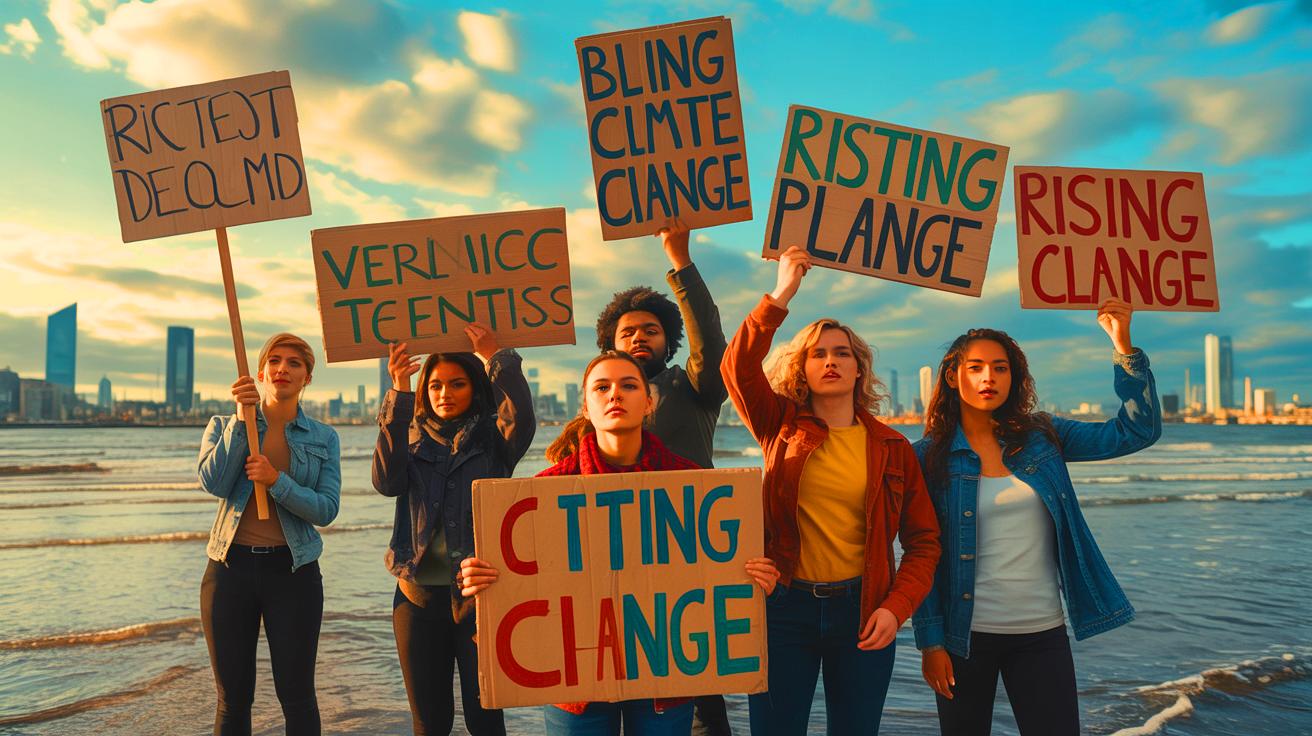
What you need to know
- 🌍 Unequal Impact: Climate change disproportionately affects marginalized communities, who suffer the most despite contributing the least to the problem.
- ✊ Grassroots Movements: Grassroots initiatives, led by indigenous communities and youth activists, are crucial in raising awareness and demanding systemic change.
- 📜 Policy Changes Needed: Significant policy reforms, such as fair carbon pricing and increased climate finance, are essential to address climate injustice effectively.
- 📚 Education and Awareness: Educating the public about climate change and its impacts is vital for fostering an informed and environmentally conscious society.
- 🤝 Global Responsibility: International cooperation and commitment are necessary to ensure a just and sustainable future for all, with developed nations leading the way in financial and policy support.
As the impacts of climate change become increasingly apparent, the voices of those advocating for climate justice grow louder. Around the world, communities already bearing the brunt of environmental degradation are calling for urgent action. Climate injustice refers to the disproportionate impact of climate change on marginalized communities, who often contribute the least to the problem yet suffer the most. Advocates argue that silence is no longer an option, and immediate measures must be taken to address these inequities. By shedding light on the consequences of inaction, they hope to foster a global commitment to a more just and sustainable future.
The Unequal Burden of Climate Change
Climate change does not affect everyone equally. Marginalized communities often face the harshest consequences, despite contributing minimally to greenhouse gas emissions. These groups, typically located in vulnerable regions, lack the resources to adapt to environmental shifts. As sea levels rise, temperatures soar, and natural disasters become more frequent, these populations face increased risk of displacement, food insecurity, and health issues.
A 2020 report by the United Nations highlights that developing countries bear approximately 80% of the climate crisis’s adverse effects. The economic costs are staggering, with billions of dollars lost annually due to climate-related disasters. Yet, these countries receive only a fraction of global climate funding. This imbalance underscores the need for a more equitable approach to climate policy, where those responsible for the majority of emissions take greater responsibility for mitigation and adaptation efforts.
Voices for Change: Grassroots Movements
Grassroots movements have emerged as powerful agents of change in the fight against climate injustice. These initiatives, often led by indigenous communities, youth groups, and local activists, aim to raise awareness and drive policy change. Their efforts focus on amplifying the voices of those most affected and demanding accountability from governments and corporations.
One such example is the global climate strike movement, spearheaded by young activists like Greta Thunberg. These protests have mobilized millions worldwide, highlighting the urgent need for systemic change. Additionally, indigenous leaders have long been at the forefront of environmental advocacy, emphasizing the importance of traditional knowledge and sustainable practices. By drawing attention to these issues, grassroots movements play a crucial role in pushing for a more equitable and sustainable future.
Policy and Action: What Needs to Change
To address climate injustice, significant policy changes are necessary. These include implementing fair carbon pricing, investing in renewable energy, and providing financial support to vulnerable communities. Governments must prioritize policies that reduce emissions and promote sustainable development, ensuring that marginalized groups are not left behind.
International cooperation is also vital. Developed nations, historically responsible for the majority of emissions, must lead the way by fulfilling their financial commitments, such as the $100 billion annual climate finance goal set during the Paris Agreement. This funding is crucial for helping developing countries transition to sustainable energy sources and adapt to the impacts of climate change. By fostering global collaboration, policymakers can work towards a more just and balanced climate strategy.
The Role of Education and Awareness
Education and awareness are critical components in the fight against climate injustice. By informing the public about the causes and effects of climate change, advocates can cultivate a more environmentally conscious society. Educational initiatives should focus on climate science, the social impacts of environmental degradation, and the importance of sustainable practices.
Media plays a crucial role in this endeavor by providing accurate and compelling coverage of climate issues. Documentaries, news reports, and social media campaigns can effectively convey the urgency of the situation and inspire collective action. Schools and universities should also integrate climate education into their curricula, preparing future generations to tackle the challenges ahead. By fostering a well-informed and engaged populace, advocates can drive meaningful change and ensure a fairer future for all.
The fight for climate justice is a global responsibility that requires immediate and decisive action. As advocates continue to push for change, the question remains: How can individuals, communities, and nations work together to ensure a more equitable and sustainable future? The answer lies in collective commitment and the willingness to prioritize the needs of those most affected by climate change. How will you contribute to this vital cause?
Did you like it?4.6/5 (25)
Merci pour cet article indispensable! Comment pouvons-nous mieux soutenir les mouvements de base qui luttent pour la justice climatique?
C’est incroyable de voir l’impact des jeunes activistes. Pensez-vous que les gouvernements les écoutent vraiment? 🤔
Pourquoi est-ce que les pays développés ont autant de mal à tenir leurs promesses financières envers les pays en développement? 😡
Je suis d’accord que l’éducation est essentielle, mais comment rendre les informations sur le climat plus accessibles à tous?
Les politiques publiques doivent changer! Qui sont les leaders mondiaux les plus engagés dans cette bataille contre l’injustice climatique?
Très bon article! Parfois je me demande si on arrivera à voir des changements significatifs de notre vivant…
Est-ce que la taxation du carbone serait vraiment efficace pour réduire les émissions de gaz à effet de serre?
J’adore le fait que les communautés marginalisées prennent la tête du mouvement. Quelle est la prochaine étape pour eux?
Est-il possible d’atteindre un consensus global, ou est-ce que les intérêts économiques des pays riches bloquent toute avancée?
Super article! Qui est votre activiste préféré dans ce domaine? 😊