What you need to know
- 🔍 Advancement of Technology: Facial recognition has rapidly evolved due to improvements in AI and machine learning, extending beyond security to various sectors like retail and law enforcement.
- 🔒 Privacy Concerns: The pervasive use of facial recognition in public spaces raises significant privacy issues, potentially infringing on personal freedoms and leading to constant surveillance.
- ⚖️ Benefits vs. Challenges: While facial recognition offers benefits like enhanced security and operational efficiency, it also presents challenges such as biases, errors, and concerns over consent and anonymity.
- 🌍 Global Regulation Disparity: There is a lack of consistent global regulation, with some regions enforcing strict privacy laws and others adopting a more relaxed approach, highlighting the need for international cooperation.
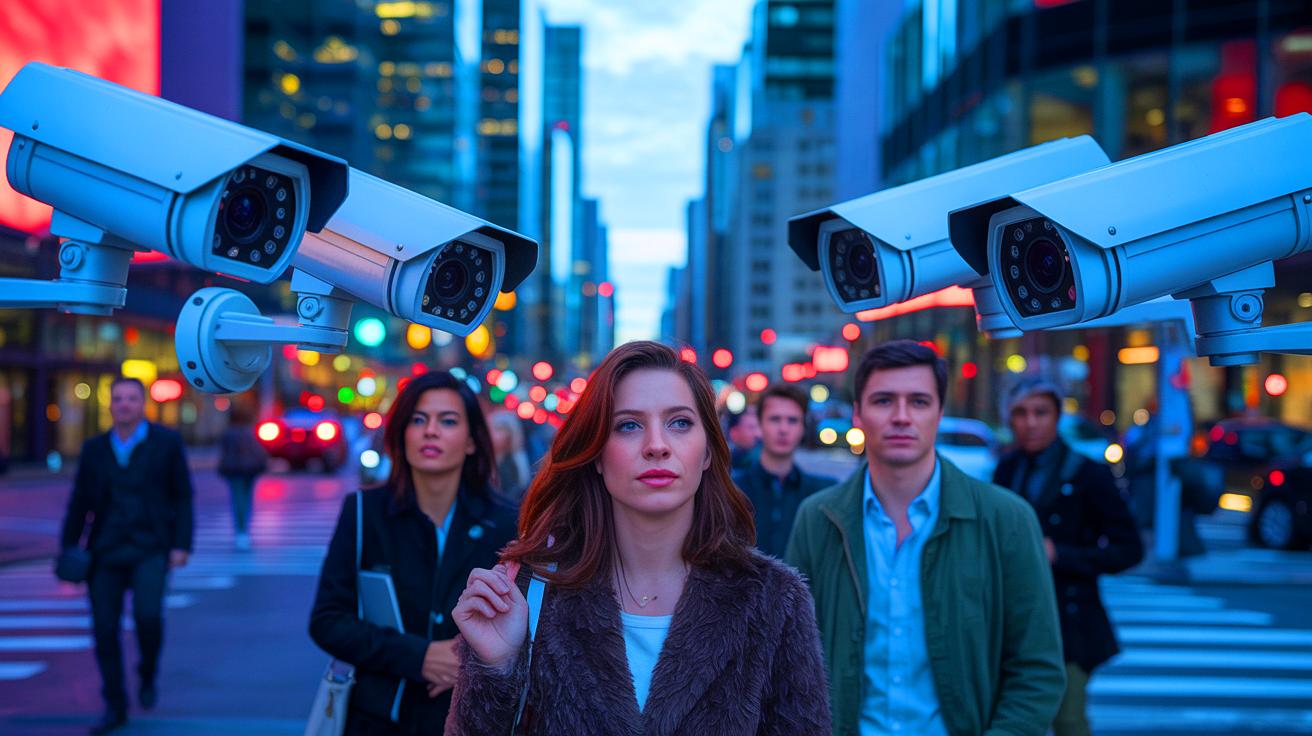
As facial recognition technology becomes increasingly prevalent, concerns about privacy and surveillance are rising. Public spaces, once perceived as areas of anonymity, are now under the watchful eyes of advanced cameras that can identify individuals with remarkable accuracy. This development has sparked a heated debate over the implications for civil liberties and personal freedom. While proponents argue that these systems enhance security and efficiency, critics warn of a future where privacy is a relic of the past. As we navigate this technological landscape, it’s crucial to examine the balance between safety and privacy, and consider the ethical implications of such pervasive surveillance.
The Rise of Facial Recognition Technology
Facial recognition technology has rapidly advanced in recent years, driven by improvements in artificial intelligence and machine learning. Initially designed for security purposes, its applications have expanded into various sectors, including retail, law enforcement, and even social media. This growth is fueled by the technology’s ability to quickly and accurately identify individuals, making it a powerful tool for both private and public entities. However, this widespread adoption raises significant ethical questions. The potential for misuse and the lack of comprehensive regulations are major concerns. As the technology becomes more sophisticated, the line between security and privacy blurs, prompting a reevaluation of our rights in public spaces.
Privacy Concerns and Civil Liberties
The increasing use of facial recognition in public spaces has sparked a debate over privacy rights. Critics argue that constant surveillance undermines personal freedoms and leads to a society where individuals are perpetually monitored. The notion of being watched at all times is unsettling and can have a chilling effect on free expression and assembly. Furthermore, there are concerns about data security and the potential for breaches that could expose sensitive information. The lack of transparency around how data is collected, stored, and used exacerbates these fears. As governments and private companies continue to deploy these systems, the need for robust privacy protections becomes more urgent.
Benefits and Challenges of Facial Recognition
Proponents of facial recognition highlight its potential benefits, such as enhanced security, crime prevention, and operational efficiency. For instance, law enforcement agencies can use the technology to identify suspects or locate missing persons quickly. In commercial settings, businesses can personalize customer experiences and streamline operations. However, these advantages come with significant challenges. The accuracy of facial recognition is not infallible, with biases and errors particularly affecting minority groups. Moreover, the technology’s intrusive nature raises questions about consent and the right to anonymity. Balancing these benefits and challenges is crucial as society grapples with the implications of this powerful tool.
Regulating Facial Recognition: A Global Perspective
Globally, the regulation of facial recognition technology is varied and often inconsistent. Some countries have implemented strict guidelines to protect citizens’ privacy, while others have taken a more laissez-faire approach. For instance, the European Union has stringent data protection laws that restrict the use of facial recognition, emphasizing the importance of consent and transparency. In contrast, other regions may lack comprehensive regulations, allowing for more widespread and less controlled deployment. This disparity highlights the need for international cooperation and standardization. Without consistent rules, there is a risk of technology being used in ways that infringe on individual rights, making it imperative to establish clear guidelines and ethical standards.
The debate over facial recognition technology reflects broader societal concerns about privacy and control in the digital age. As we continue to integrate these systems into everyday life, it is essential to address the ethical and legal implications. How can we ensure that technological advancements do not come at the cost of our personal freedoms? What measures can be taken to protect privacy in an increasingly monitored world?
Did you like it?4.4/5 (27)
Wow, c’est incroyable à quel point cette technologie a évolué rapidement. Devons-nous nous inquiéter de ce que l’avenir nous réserve ? 🤔
Merci pour cet article informatif ! C’est effrayant de penser que nous pourrions perdre notre anonymat dans les espaces publics.
Est-ce que les avantages de la reconnaissance faciale en termes de sécurité valent vraiment le sacrifice de notre vie privée ?
J’ai l’impression de vivre dans un film de science-fiction. Que pensez-vous que cela signifie pour notre liberté individuelle ?
Les erreurs et les biais dans la reconnaissance faciale sont préoccupants. Comment pouvons-nous garantir que ces technologies sont équitables ?
Je me demande si les régulations internationales finiront par se standardiser pour protéger nos droits. Espérons-le !
La reconnaissance faciale dans les magasins, c’est un peu trop Big Brother pour moi. Qui garde un œil sur ceux qui nous surveillent ?
Merci pour cet aperçu ! Il est crucial de discuter de l’équilibre entre la sécurité et la vie privée.
Quelqu’un d’autre a-t-il l’impression qu’on est surveillé partout où on va maintenant ? 😅
Les lois européennes semblent être en avance sur ce sujet. Pourquoi d’autres régions sont-elles si lentes à réagir ?
Très intéressant ! Pensez-vous que les entreprises devraient avoir le droit d’utiliser la reconnaissance faciale sans consentement explicite ?