What you need to know
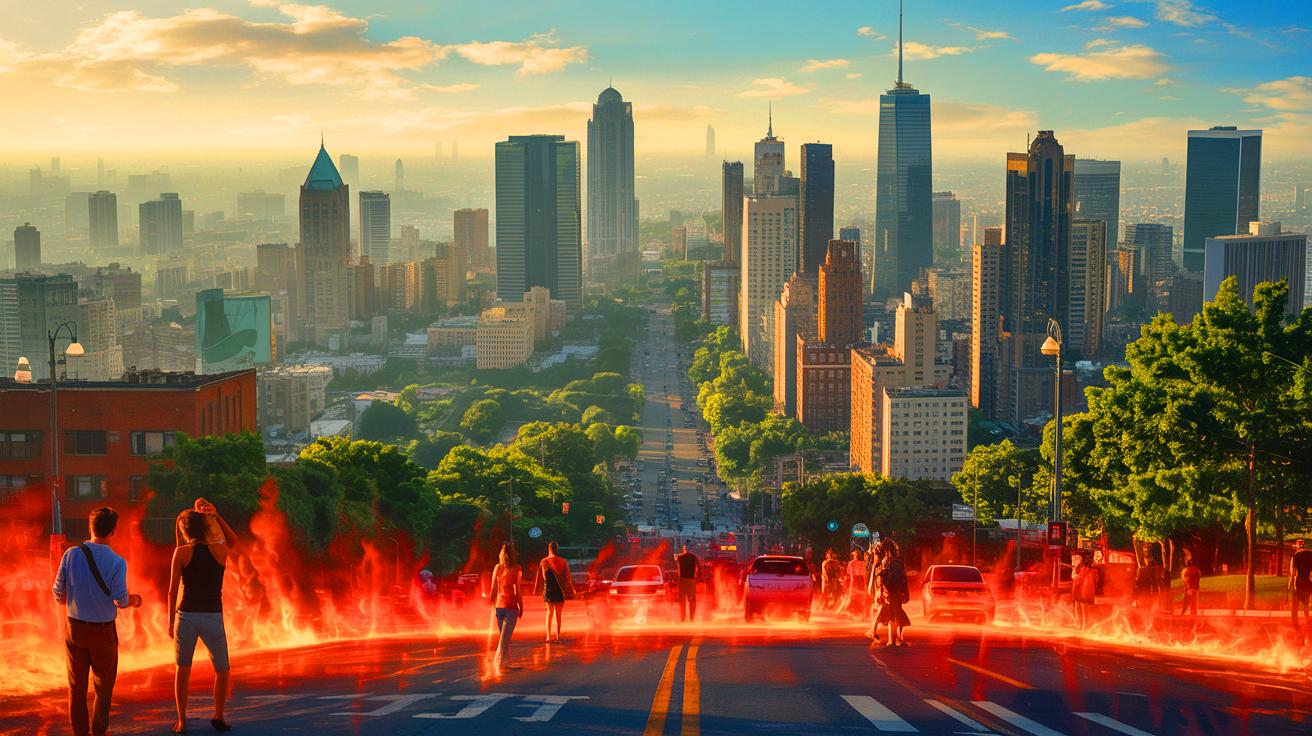
- 🌆 Urban Heat Island (UHI) Effect: Urban areas are significantly warmer than rural surroundings due to dense infrastructure and limited vegetation, exacerbating the heat.
- 🌡️ Public Health Risks: Prolonged exposure to high temperatures increases the risk of heat-related illnesses and worsens pre-existing conditions, particularly affecting vulnerable populations.
- 🌍 Environmental and Infrastructure Challenges: Rising temperatures disrupt ecosystems, strain water resources, and damage infrastructure, highlighting the need for resilient city planning.
- 🌳 Innovative Solutions: Expanding green spaces and using reflective materials in urban design, along with smart city technologies, offer promising ways to mitigate urban overheating.
- 🤝 Collaborative Future Directions: Addressing urban overheating requires cooperation between governments, businesses, and communities to develop sustainable and comprehensive strategies.
As global temperatures climb, urban areas are experiencing unprecedented heatwaves, creating what experts now refer to as the phenomenon of “urban overheating.” This alarming trend poses serious threats to public health, infrastructure, and the environment. Cities, which are home to more than half of the world’s population, are particularly vulnerable due to their dense infrastructure, limited green spaces, and high energy consumption. The urgency for action is paramount as urban planners, policymakers, and communities grapple with finding sustainable solutions to mitigate the impact of these rising temperatures. Understanding the causes and consequences of urban overheating is essential in developing effective strategies to combat this growing crisis.
The Urban Heat Island Effect
The Urban Heat Island (UHI) effect is a critical factor contributing to the overheating of cities. This phenomenon occurs when urban areas become significantly warmer than their rural surroundings, primarily due to human activities. The concentration of buildings, roads, and other infrastructure absorbs and retains heat, while the lack of vegetation limits the natural cooling effect provided by plants. Additionally, high energy usage from air conditioning and vehicular emissions further exacerbates the heat, leading to a vicious cycle of increasing temperatures.
Research indicates that the UHI effect can increase temperatures in urban areas by several degrees compared to rural areas. This temperature discrepancy not only affects the comfort of city dwellers but also amplifies the demand for energy, particularly in the summer months. Consequently, cities face higher electricity bills, increased greenhouse gas emissions, and a greater strain on power grids, highlighting the urgent need for innovative solutions to reduce the UHI effect.
Impact on Public Health
One of the most concerning consequences of urban overheating is its impact on public health. Prolonged exposure to high temperatures can lead to heat-related illnesses, such as heat exhaustion and heat stroke, and exacerbate pre-existing health conditions like asthma and cardiovascular diseases. Vulnerable populations, including the elderly, children, and those with chronic illnesses, are particularly at risk during extreme heat events.
Moreover, the increased temperatures can lead to poorer air quality as higher heat levels contribute to the formation of ground-level ozone, a harmful air pollutant. This not only affects respiratory health but also has broader implications for overall well-being. As cities continue to expand, addressing the health risks associated with urban overheating becomes a priority for public health officials and city planners. Implementing measures such as increasing green spaces, improving urban design, and promoting community awareness are vital steps in safeguarding the health of urban populations.
Environmental and Infrastructure Challenges
Beyond health implications, urban overheating presents significant challenges for both the environment and city infrastructure. Rising temperatures can disrupt ecosystems and affect biodiversity, particularly in urban areas where wildlife habitats are already limited. Additionally, the increased heat can exacerbate drought conditions, putting further strain on water resources and impacting agriculture and food security.
Infrastructure, too, is at risk. High temperatures can cause roads to buckle, rail tracks to warp, and bridges to expand, leading to costly repairs and disruptions. Energy infrastructure is also vulnerable, as the demand for cooling increases, potentially leading to power outages if grids are unable to cope. As cities continue to grow, the need for resilient infrastructure that can withstand extreme heat becomes increasingly critical. Investing in sustainable city planning and innovative technologies is essential to address these challenges effectively.
Innovative Solutions and Future Directions
Amidst the challenges posed by urban overheating, cities worldwide are exploring innovative solutions to mitigate the effects of extreme heat. One promising approach is the expansion of urban green spaces, such as parks, green roofs, and vertical gardens, which can help cool the environment naturally. Additionally, the use of reflective and light-colored materials in urban design can reduce heat absorption, alleviating some of the impacts of the UHI effect.
Technological advancements also play a crucial role in addressing urban overheating. Smart city technologies, including IoT sensors and data analytics, can help monitor and manage energy consumption more efficiently. Moreover, sustainable transportation options, like electric vehicles and improved public transit, can reduce emissions and energy use. As cities continue to innovate, collaboration between governments, businesses, and communities is essential to develop comprehensive strategies that address the multifaceted nature of urban overheating.
As cities worldwide confront the reality of increasing temperatures, the call for urgent action grows louder. Urban overheating is not only a challenge but an opportunity to rethink how we build and live in cities. By adopting sustainable practices and investing in innovative technologies, we can create urban environments that are not only resilient to heat but also more livable and equitable. The question remains: how will cities rise to the challenge and turn the heat into an opportunity for transformation?
Did you like it?4.6/5 (27)
Thanks for the insightful post! 🌆 How can individuals contribute to cooling down urban areas?
I’m sweating just reading this. 😂 But seriously, what can we do to help reduce the UHI effect?
It’s high time we prioritize green spaces in cities. They are the lungs of urban areas!
Is there any city that has successfully mitigated the Urban Heat Island effect? I’d love to know examples!
The post is very informative, but how can smart city technologies specifically help in reducing urban heat?
If only cities could turn the heat into renewable energy… Oh, wait, can they? 🤔
Merci pour cet article! Quels sont les obstacles majeurs à la mise en œuvre de solutions innovantes?
Reflective materials sound great, but are they cost-effective for large-scale urban projects?
Let’s hope this issue doesn’t get swept under the rug like so many others. We need action now!
Does urban overheating affect local wildlife as much as it affects humans?
This is alarming. 🌡️ What’s the role of local governments in addressing these heatwaves effectively?
Une chose est sûre, il faut planter plus d’arbres ! 🌳🌳🌳
I’m curious, how do electric vehicles contribute to reducing the Urban Heat Island effect?
Great job highlighting the role of collaboration. We can’t do this alone! 🤝
Est-ce que l’effet d’îlot de chaleur urbain est le même dans toutes les villes ou varie-t-il en fonction du climat local?