What you need to know
- 📈 Surveillance Technologies Evolve: The rapid advancement of surveillance tools, including AI and facial recognition, raises ethical and privacy concerns as these technologies become more pervasive worldwide.
- ⚖️ Impact on Civil Liberties: The expansion of surveillance threatens individual freedoms and privacy, potentially leading to self-censorship and increased social inequalities, particularly among marginalized communities.
- 🤖 Technological and Ethical Dilemmas: As machine learning and AI enable predictive surveillance systems, ethical dilemmas arise, highlighting the need for transparency and accountability to prevent biases and misuse.
- 📜 Importance of Policy and Regulation: Robust regulatory frameworks are crucial to safeguard privacy rights, requiring governments to set clear guidelines and establish oversight bodies to monitor surveillance practices.
- 🔍 Balancing Security and Freedom: As we approach 2026, the challenge lies in finding a balance between maintaining security and protecting fundamental freedoms, ensuring technology serves humanity without compromising individual rights.
In an era where technology permeates every aspect of our lives, the issue of mass surveillance has emerged as a critical concern. The rapid advancement of digital technologies has given governments and corporations unprecedented access to personal data. As we approach 2026, the question of how far this surveillance extends becomes increasingly pertinent. With the potential to impact individual freedoms, privacy rights, and democratic societies, many are sounding the alarm: “Our freedom is at stake.” This article explores the growing fears surrounding invasive surveillance practices, the balance between security and privacy, and the implications for our future.
The Rise of Surveillance Technologies
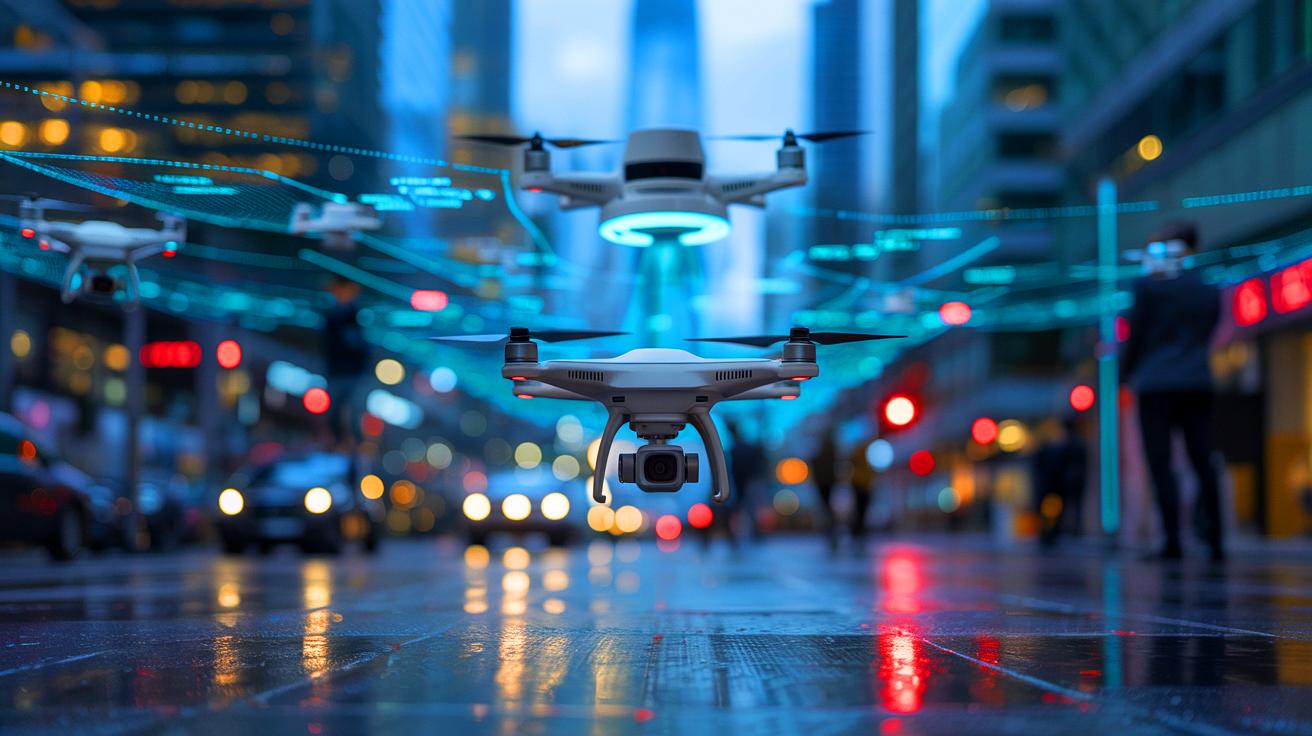
Over the past decade, surveillance technologies have evolved at an astonishing pace. From CCTV cameras to advanced facial recognition systems, these tools are now ubiquitous. In cities around the world, public spaces are monitored with increasing intensity, often justified by the need to enhance security and prevent crime. Artificial intelligence (AI) has further amplified the capabilities of these systems, enabling real-time analysis and identification of individuals. However, the proliferation of such technologies raises significant ethical and privacy concerns. The data collected can be vast and detailed, revealing intimate aspects of a person’s life. As we approach 2026, the potential for misuse or abuse of this data becomes a pressing issue. While proponents argue that surveillance is necessary to maintain public safety, critics warn that it could lead to a society where privacy is a thing of the past.
The Impact on Civil Liberties
The expansion of surveillance technologies poses a direct threat to civil liberties. The right to privacy is enshrined in numerous international human rights agreements, yet it is increasingly undermined by invasive surveillance practices. Governments often justify these measures by citing national security concerns, but this rationale can be a slippery slope. Without adequate oversight and regulation, surveillance can easily infringe upon freedoms of expression, association, and movement. The fear of being constantly watched may lead individuals to self-censor, stifling dissent and creativity. Moreover, marginalized communities often bear the brunt of surveillance, reinforcing social inequalities. As surveillance becomes more pervasive by 2026, the challenge will be to find a balance that safeguards individual freedoms while addressing legitimate security needs.
Technological Advances and Ethical Dilemmas
As technology continues to advance, ethical dilemmas surrounding mass surveillance become more complex. Machine learning and AI have enabled the development of systems capable of predicting behavior based on data analysis. While this offers potential benefits in fields like healthcare and urban planning, it also presents risks when applied to surveillance. Predictive policing, for instance, can perpetuate biases and lead to over-policing of certain communities. The lack of transparency in how these algorithms function exacerbates these concerns. As we move towards 2026, it is crucial to establish ethical frameworks that govern the use of surveillance technologies. This includes ensuring accountability, transparency, and fairness in their deployment. Without these safeguards, the potential for harm far outweighs the benefits, challenging the very notion of freedom and democracy.
The Role of Policy and Regulation
Addressing the challenges posed by mass surveillance requires robust policy and regulatory frameworks. Governments and international bodies must work together to establish clear guidelines that protect individual privacy rights. This includes setting limits on data collection, retention, and use. Transparency is key, with the public having the right to know how their data is being used and who has access to it. Additionally, independent oversight bodies should be established to monitor surveillance practices and hold violators accountable. As we approach 2026, the need for such regulations becomes increasingly urgent. Without them, the risk of creating a surveillance state looms large. It is imperative for policymakers to strike a balance that upholds security without compromising fundamental freedoms, ensuring a future where technology serves humanity rather than controlling it.
As we navigate the complexities of an increasingly digital world, the issue of mass surveillance presents both challenges and opportunities. While technology has the potential to enhance our lives, it also poses significant risks to our freedoms and privacy. The decisions we make today will shape the future of our societies. Will we allow surveillance to erode the very liberties we hold dear, or will we rise to the challenge and protect our rights? As we look towards 2026 and beyond, the question remains: how can we ensure that technology serves as a tool for progress rather than a threat to our freedom?
Did you like it?4.6/5 (20)
Super article ! Ça fait vraiment réfléchir sur notre avenir et nos libertés. Merci pour cette analyse détaillée.
C’est fou comme la technologie avance vite. Pensez-vous qu’on pourrait avoir un “Big Brother” d’ici 2026 ?
J’espère que les gouvernements prendront des mesures pour protéger nos droits. On ne veut pas vivre dans une dystopie ! 😅
Les marginalisés sont souvent les plus touchés par ces technologies. Comment peut-on garantir leur protection ?
Intéressant mais un peu flippant… Comment peut-on se protéger individuellement contre cette surveillance ?
Je me demande si on aura encore une vie privée d’ici à 2026. Les films de science-fiction deviennent réalité… 😨
Merci pour cet article ! Est-ce que des régulations internationales sont en cours pour gérer ces technologies ?
Il est temps de se poser des questions sur l’éthique de tout ça. Qui surveille les surveillants ?